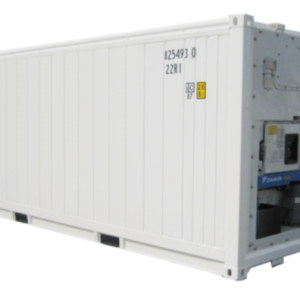
Refrigerated Storage Containers – Reefers | Durable Cold Storage Solutions for Perishable Goods
$4,900.00
Refrigerated Storage Containers – Reefers
Buy Reefer Containers
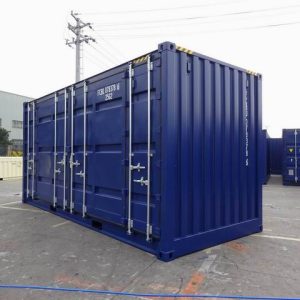
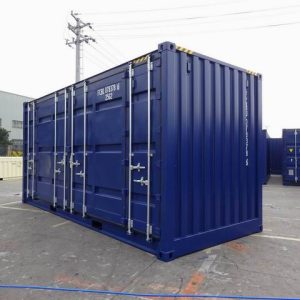
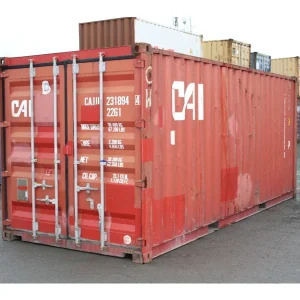
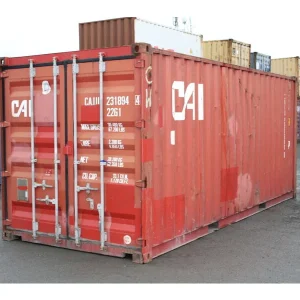
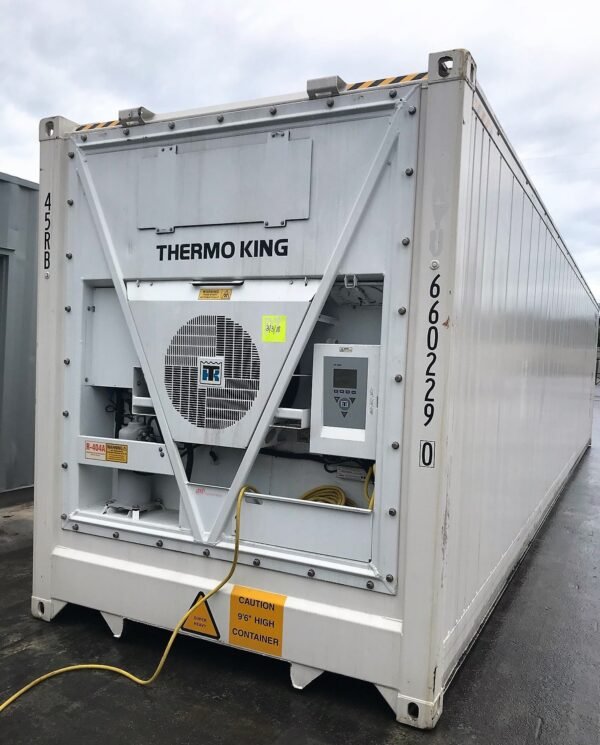
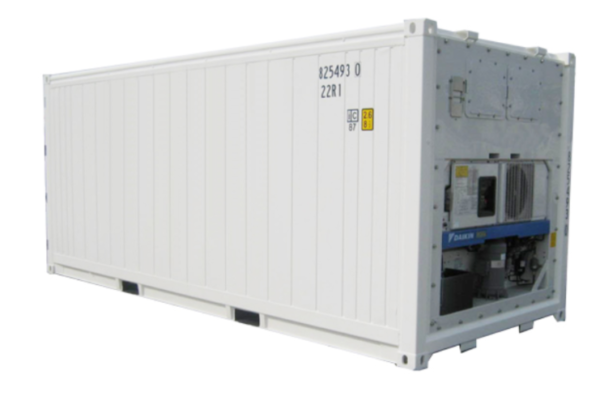
A refrigerated container (reefer) is an insulated shipping container with a cooling motor that maintains the internal temperature of the unit. It is used to store and transport temperature-sensitive cargo.
Western Shipping containers range of Refrigerated Shipping Containers (Reefers) are built with superior temperature control and insulation. This ensures the temperature is efficiently maintained with reduced machinery run time, to lower fuel consumptions and associated costs.
Refrigerated Storage Containers – Reefers offer reliable, temperature-controlled storage solutions ideal for preserving perishable goods during transit or on-site storage. Featuring advanced insulation and efficient cooling systems, these containers maintain consistent temperatures to ensure product freshness and prevent spoilage. Durable and secure, reefers provide versatility for various industries including food, pharmaceuticals, and agriculture, combining portability with precise climate regulation. Their robust design and energy-efficient operation make them an essential choice for maintaining product integrity in any environment.

Money Back Guarantee

Secure Payment
Buyer Protection
Our transparent pricing includes no hidden fees, and we offer a straightforward return policy for added peace of mind. Additionally, all transactions are processed through secure payment gateways, safeguarding your personal information. Our dedicated customer service team is always available to assist you, ensuring that any questions or concerns are promptly addressed.
15 Year Warranty
If your tiny home experiences wear and tear due to faults from our technical team, we offer free repairs. In cases of severe damage, we will replace the tiny home at no additional cost. Each home undergoes thorough quality control before shipping, ensuring that no minor faults go unnoticed. However, if an issue arises, you are covered by our warranty.
Refrigerated Storage Containers – Reefers
Refrigerated shipping containers (reefers) are insulated, temperature-controlled units designed to transport and store perishable goods at precise temperatures. Unlike standard containers, they feature integrated refrigeration systems, robust insulation, and advanced climate control technology. Buy Underground Propane Tanks for Sale – Durable, Safe & Affordable Solutions
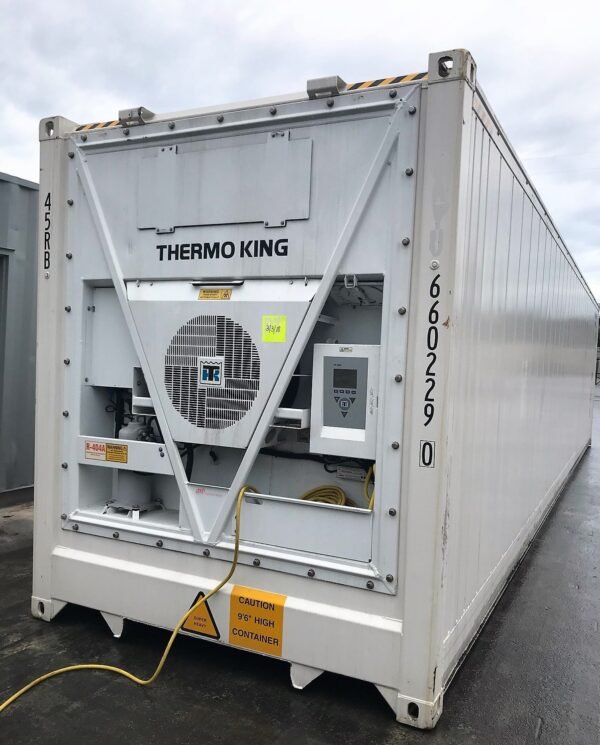
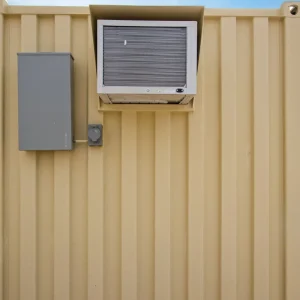
1. Refrigeration Unit
-
Self-contained system mounted on one end (usually front)
-
Powered by three-phase electrical supply (440V/60Hz is common) or an integrated diesel generator
-
Capable of cooling down to -30°C (-22°F) and heating when needed
-
Includes digital controller for temperature programming
2. Insulation & Structure
-
Polyurethane foam insulation in walls, floor, and ceiling
-
T-shaped floor with channels for cold air circulation
-
Hermetically sealed doors with dual gaskets
-
Stainless steel interior for hygiene and corrosion resistance
3. Air Circulation System
-
Bottom air delivery through floor channels
-
Top air return through ceiling
-
Creates a consistent temperature blanket around cargo
| Feature | Typical Specifications |
|---|---|
| Standard Sizes | 20ft (≈28-30m³ capacity) and 40ft (≈58-66m³ capacity) |
| Temperature Range | -30°C to +30°C (-22°F to +86°F) |
| Power Requirements | 440V/60Hz/3-phase (standard); generator options available |
| Insulation | 75-100mm polyurethane foam (R-value ~R-30) |
| Controls | Digital microprocessor with data logging |
Transport & Storage of:
-
Food Products: Fruits, vegetables, dairy, meat, seafood
-
Pharmaceuticals: Vaccines, medicines requiring cold chain
-
Floral Products: Cut flowers, plants
-
Chemicals: Temperature-sensitive materials
-
Emergency Use: Mobile morgues, temporary food banks
Common Industries:
-
Agriculture & Fisheries: Harvest season overflow, processing
-
Food Distribution: Temporary storage during logistics delays
-
Event Management: Mobile refrigeration for large events
-
Medical: COVID-19 vaccine storage, medical supply chains
Used Reefers (Most Common Purchase)
Advantages:
-
50-70% cost savings vs. new units
-
Immediately available from shipping fleet turnover
-
Often recently reconditioned with updated components
What to Inspect:
-
Compressor hours (like mileage on a car)
-
Condition of evaporator and condenser coils
-
Insulation integrity – check for cold spots or moisture
-
Door seal effectiveness – test with dollar bill method
-
Control system functionality – can it hold set temperature?
-
Structural rust, especially around door frames and floor
Typical Lifespan: 10-15 years in shipping, then 10+ more years in static storage with proper maintenance
New Reefers
When to Consider:
-
For critical pharmaceutical storage requiring certified performance
-
When warranty and reliability are paramount
-
For heavy-use commercial applications where downtime is costly
Power Requirements
-
Most require 3-phase power – check your facility’s capability
-
Generator sets available for remote locations
-
Energy consumption: 3-7 kW when running (cycles on/off)
Site Preparation
-
Level concrete pad with proper drainage
-
Adequate clearance (1m/3ft minimum) around unit for airflow
-
Electrical connection by qualified electrician
-
Accessibility for delivery (often requires crane)
Maintenance Essentials
-
Regular condenser cleaning (monthly in dusty environments)
-
Door gasket inspection and replacement when hardened
-
Defrost system verification
-
Data log review for temperature excursions
| Type | Price Range (USD) | Key Determinants |
|---|---|---|
| Used 20ft Reefer | $8,000 – $15,000 | Age, compressor hours, cosmetic condition |
| Used 40ft Reefer | $12,000 – $25,000 | Refrigeration brand, insulation test results |
| New 20ft Reefer | $25,000 – $40,000 | Temperature range, features, brand |
| New 40ft Reefer | $35,000 – $60,000 | Advanced controls, certifications |
Additional Costs:
-
Delivery & crane service: $500 – $2,000
-
Electrical hookup: $1,000 – $3,000
-
Generator set (if needed): $3,000 – $8,000
-
Annual maintenance: $500 – $1,500
-
“What are the compressor hours?” (Under 15,000 is good for used units)
-
“Has it been pressure tested for insulation integrity?”
-
“What’s the service history? Any major component replacements?”
-
“Does it come with a performance guarantee?” (e.g., holds set temp for 24 hours)
-
“Are all controller functions working, including alarms and data logging?”
-
“Is the T-floor intact and clean?” (Replacement is very expensive)
 Assuming single-phase power – most reefers require 3-phase
Ignoring delivery logistics – reefers are heavier and require careful handling
Overlooking insulation degradation – moisture absorption reduces efficiency
Buying without performance testing – always test under load if possible
Underestimating operating costs – refrigeration is energy-intensive
-
Install temperature alarms with remote notification
-
Implement routine defrost cycles even if manual
-
Keep detailed temperature logs for compliance (food/pharma)
-
Consider a backup generator for critical applications
-
Place on proper foundation to prevent floor damage and ensure drainage
Refrigerated containers offer turnkey, mobile cold storage at a fraction of permanent facility costs. For most businesses, a reconditioned used reefer provides the best value, offering years of reliable service.
The key to success lies in:
-
Thorough inspection focusing on refrigeration performance
-
Proper site preparation and electrical setup
-
Regular maintenance to extend service life
Final Recommendation: Purchase from a specialized reefer supplier rather than a general container company. They understand the technical aspects and can provide meaningful performance guarantees and after-sales service for the refrigeration system. Buy 1000 Gallon Propane Tanks – Durable, High-Capacity Propane Storage Solutions
Related products
Original price was: $2,800.00.$2,300.00Current price is: $2,300.00.
20FT Containers
Original price was: $2,500.00.$2,200.00Current price is: $2,200.00.
$1,700.00